Get info
FIELD STUDY : GUNMA, JAPAN
Date : 2024-04-01
Venue : GUNMA, JAPAN
Agenda
The community proposed that it would be very insightful to visit Japan’s sericulture UNESCO World Heritage Site in Tomioka. Japanese silk is silk harvested in Japan. Archaeological evidence indicates that sericulture has been practiced since the Yayoi period. The silk industry was dominant from the 1930s to 1950s, but is less common now. Silk from East Asia had declined in importance after silkworms were smuggled from China to the Byzantine Empire. However, in 1845, an epidemic of flacherie among European silkworms devastated the silk industry there. This led to a demand for silk from China and Japan, where as late as the nineteenth and early twentieth centuries, Japanese exports competed directly with Chinese in the international market in such low value-added, labour-intensive products as raw silk.
Between 1850 and 1930, raw silk ranked as the leading export for both countries, accounting for 20%–40% of Japan’s total exports and 20%–30% of China’s. Between the 1890s and the 1930s, Japanese silk exports quadrupled, making Japan the largest silk exporter in the world. This increase in exports was mostly due to the economic reforms during the Meiji period and the decline of the Qing dynasty in China, which led to rapid industrialization of Japan whilst the Chinese industries stagnated.
During World War II, embargoes against Japan had led to adoption of synthetic materials such as Nylon, which led to the decline of the Japanese silk industry and its position as the lead silk exporter of the world. Today, China exports the largest volume of raw silk in the world.
1. Tajima Yahei Sericulture Farm
The Tajima Yahei Sericulture Farm (旧田島弥平旧宅, Tajima Yahei kyū-taku) is located in the Sakaishima neighbored of the city of Isesaki, Gunma. It was the former home of an influential silk farmer in the early Meiji period, known for writing a new sericulture theory which laid the foundations for modern sericultural production. The building has been protected as a National Historic Site since 2012.[1] It was subsequently included as part of The Tomioka Silk Mill and Related Industrial Heritage UNESCO World Heritage Site in 2013.
2. Tomioka Silk Mill
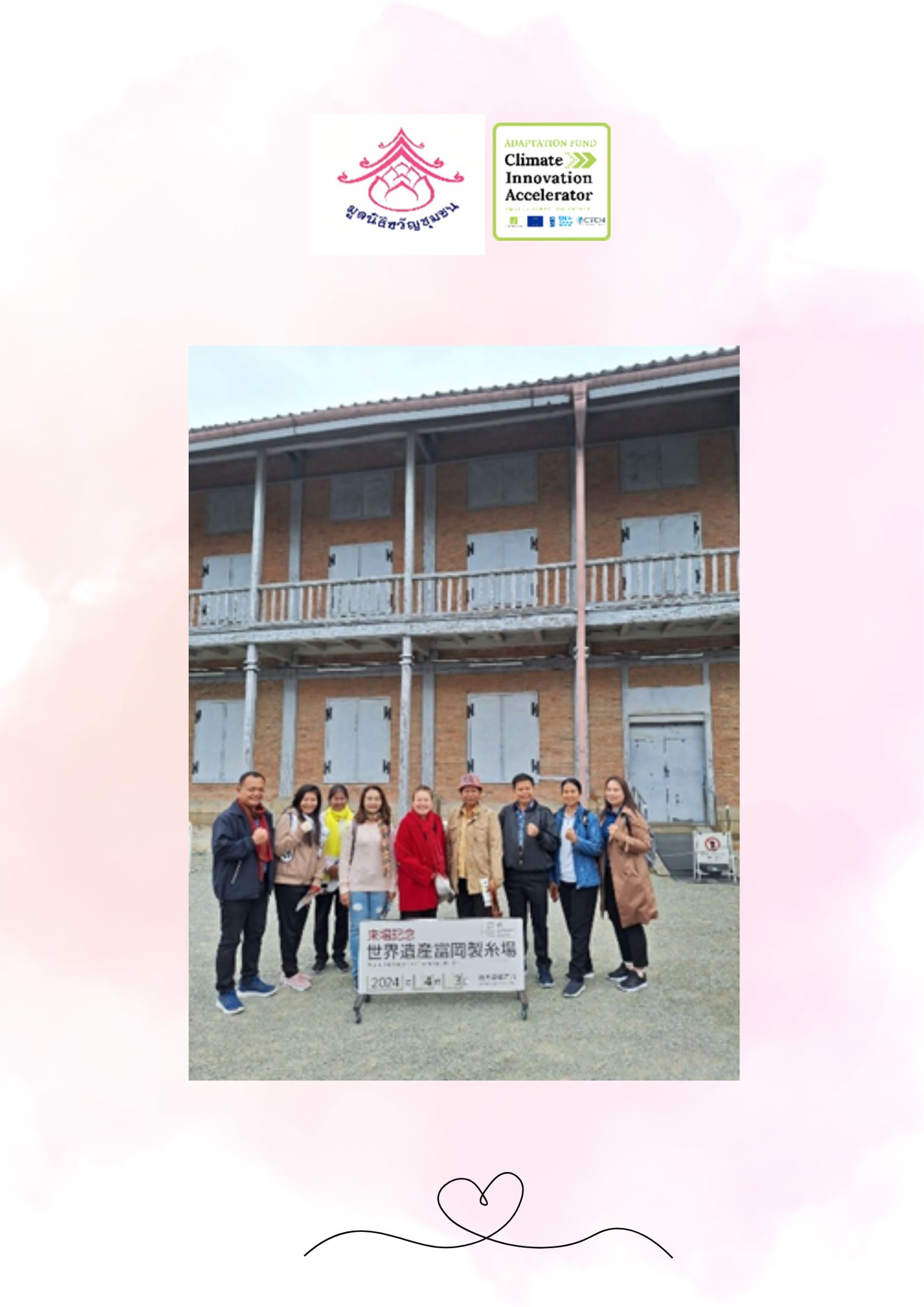
Tomioka Silk Mill (富岡製糸場, Tomioka Seishijō) is Japan's oldest modern model silk reeling factory, established in 1872 by the government to introduce modern machine silk reeling from France and spread its technology in Japan. The factory is designated by the government as a National Historic Site and all its buildings are preserved in very good condition. It is located in the city of Tomioka, Gunma Prefecture, Japan, about 100 km northwest of Tokyo. It is also featured as the 'ni' card in Jomo Karuta playing cards. The Mill is a huge timber-framed brick building, containing 300 reels. The largest plants in France and Italy had up to 150 reels, so the Tomioka Mill was one of the largest in the world at the time of its completion. The reels also incorporated a rewinding process called re-rolling, where the raw silk was re-wound from a small frame into a larger frame. This was done as Brunat wanted to mechanically imitate the processes which Japanese craftsmen had formerly done by hand. In the case of the humid Japanese climate, once the raw silk was wound, sericin could cause the silk threads to stick together. The rewinding process, which was not necessary in the drier European climates, prevented this. Another point which Brunat took into account when special-ordering the reeling equipment in Europe was the smaller stature of the Japanese women who operated the machines.
3. Arafune Cold Storage
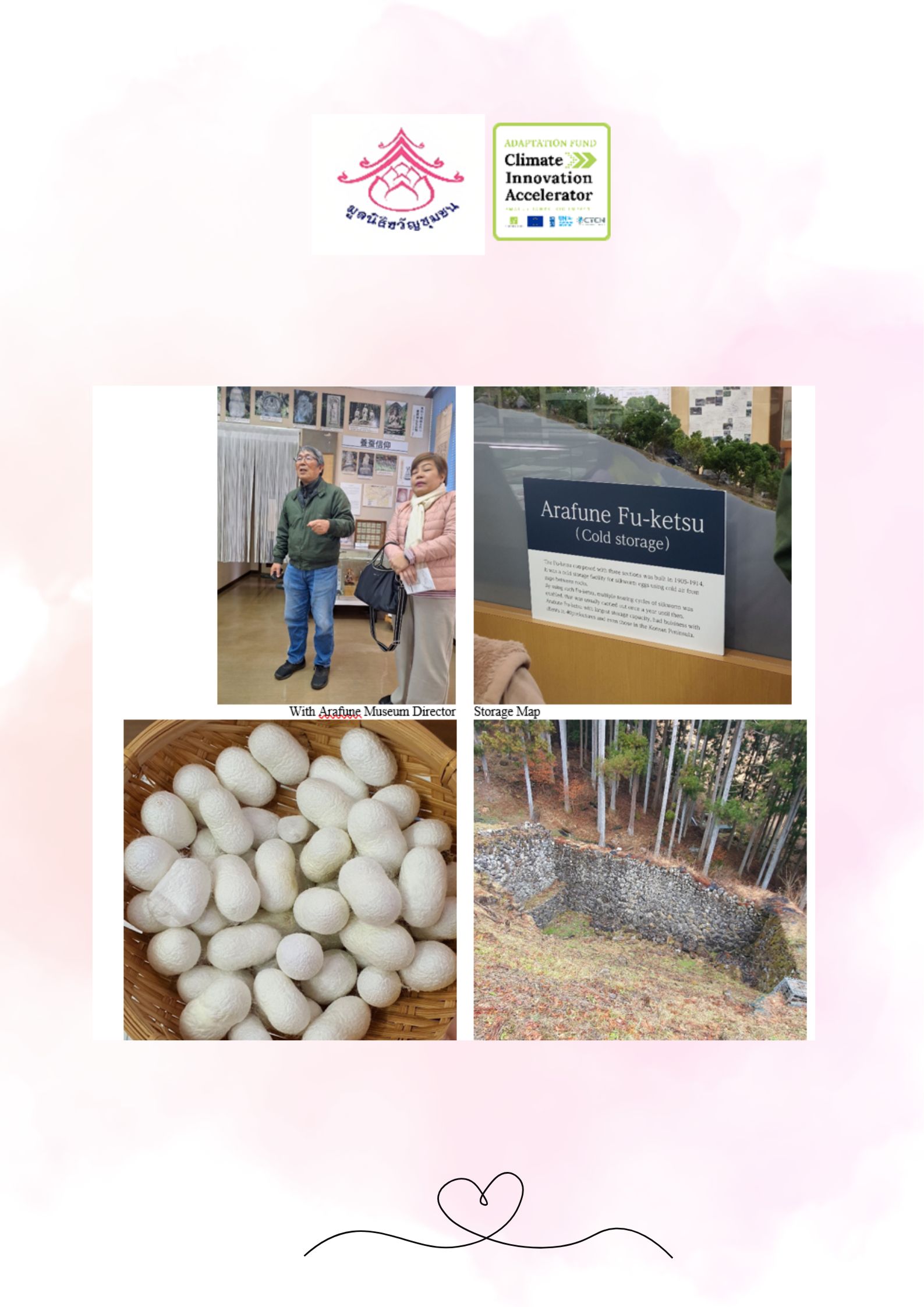
The Arafune Cold Storage (荒船風穴, Arafune Fūketsu) served as a natural refrigerator for the silk industry during the early 1900s. Silkworm eggs were chilled there to prevent them from hatching, allowing silk production to be carried out multiple times per year instead of just once. In recognition of its contribution towards the advancement of the silk industry, the cave is one of three sites alongside the Tomioka Silk Mill to attain World Heritage status in 2014. Located in the remote, forested mountains near Tomioka, the Arafune Cold Storage is the largest wind cave in Gunma Prefecture. It could store about a million trays of silkworm eggs for silk producers from across Japan. The cool air in the storage is produced by wind passing through rock crevices filled with snow accumulated over winter. Even in the summer when the outside temperature is over 20 degrees Celsius, the temperature in the cold storage remains just a couple degrees above freezing.