Get info
FIELD STUDY : CHINA
Date : 2025-04-01
Venue : China
Agenda
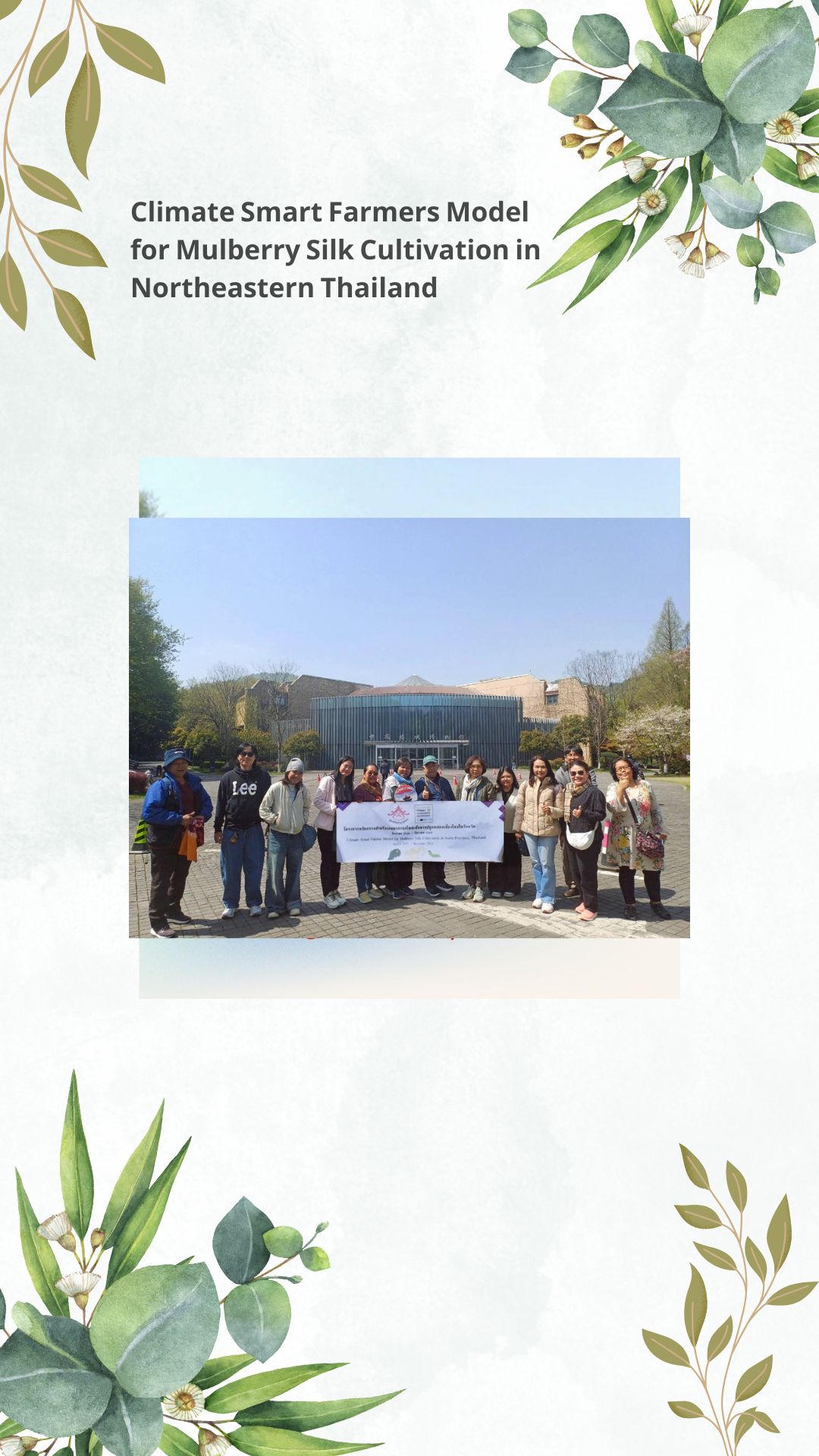
Study Visit to the People’s Republic of China: Reflections
and Lessons Learned
1–4 April 2025
Reflections and Lessons Learned from the Study Visit to
China
Shared by “Ms. Suvimon Chidchob”
- The
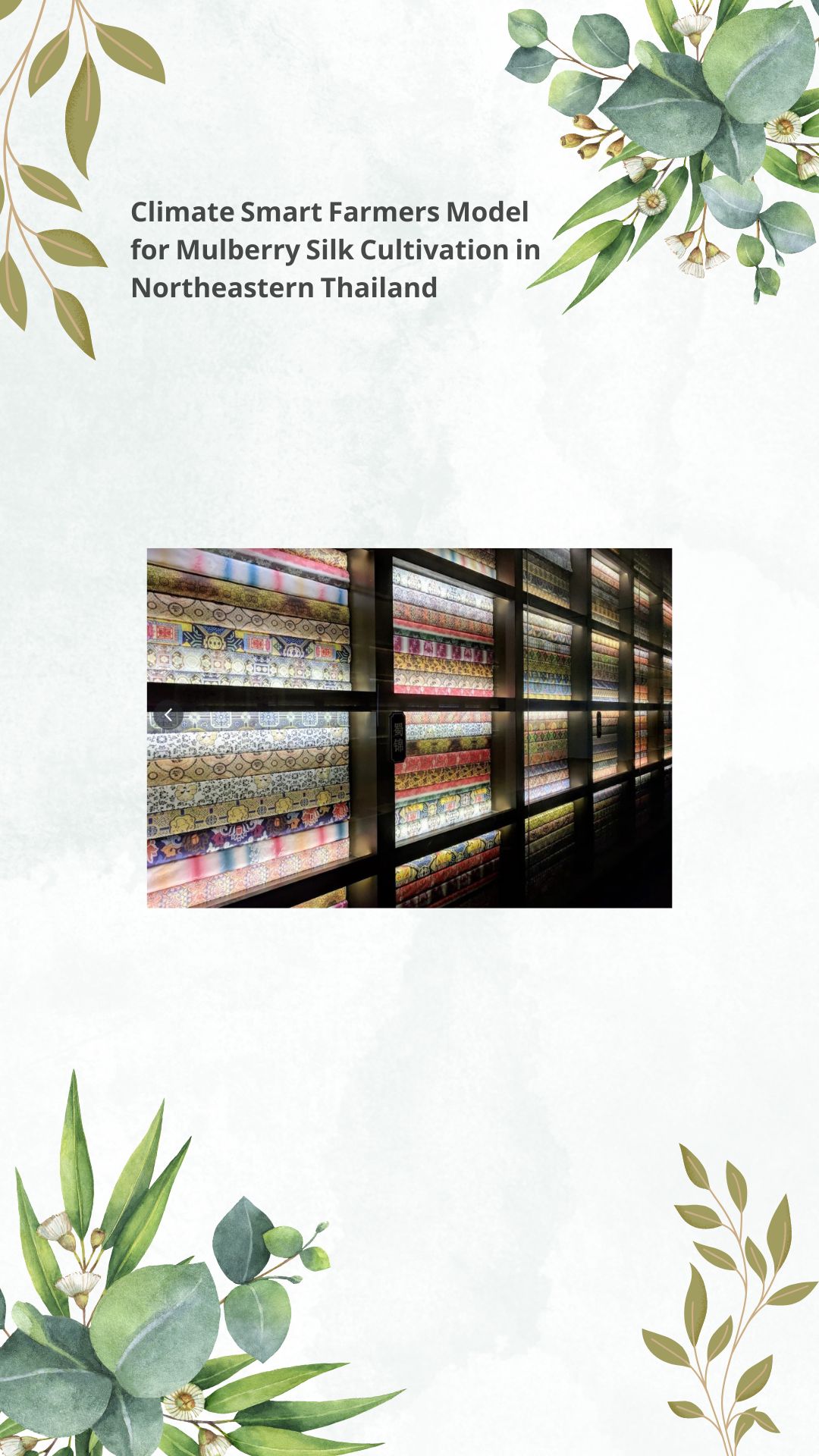
visit to the China Silk Museum provided a valuable and memorable
experience. The museum not only presented the historical narrative of
Chinese silk but also showcased the beauty of traditional artistry and
long-preserved local wisdom.
- One
of the most impressive aspects was observing the full silk production
process—from sericulture and silk reeling to weaving—through both
traditional and modern techniques. The display of authentic ancient silk
garments further reflected the craftsmanship and meticulous skills of
artisans from the past.
- The
study visit offered more than insights into silk; it provided a deeper
understanding of Chinese culture, history, and way of life. It served as
an inspiration for the importance of preserving traditional arts and
instilling pride in national cultural heritage.
- A
walk through the silk street in Suzhou left a lasting impression. The
diversity and quality of silk products were remarkable, and the artistic
presentation in each shop conveyed the essence of local culture and pride
in Chinese craftsmanship.
- The
visit to the Suzhou Silk Museum was particularly noteworthy. The exhibits
detailed the history and production of silk, from raw materials and tools
to traditional weaving techniques, reflecting the finesse and inherited
knowledge of local artisans. It enabled a comprehensive appreciation of
Chinese culture through silk.
- A
highlight at the Suzhou Silk Museum was witnessing a hands-on learning
activity conducted by teachers for students, offering close engagement
with the process of sericulture. This practical exposure enhanced the
understanding of each step and emphasized the importance of preserving
traditional wisdom.
- A
visit to JILI Silk Factory revealed the meticulous process of extracting
silk threads from cocoons to create comforters, demonstrating the patience
and precision required. Various silk products such as scarves, garments,
and sleep masks were of high quality and aesthetic appeal, enhancing
appreciation for the value of silk and the dedication to preserving
traditional craftsmanship.
- The
Suzhou Silk Museum effectively narrated the sericulture journey—from
mulberry cultivation to silk rearing—using visual aids, interactive
materials, and live exhibits. This approach offered profound insights into
the harmony between nature and traditional livelihoods, underscoring the
value of refined indigenous knowledge.
- Observations
in Hangzhou and Suzhou highlighted a systematic development of the silk
industry, integrating local knowledge with modern technology. These
approaches could be adapted in Thailand to enhance quality mulberry
cultivation and silk production among local farmers. Establishing local
learning centers or silk museums could promote cultural education,
tourism, and sustainable community income.
- The
Chinese silk industry has been built upon storytelling from its origins to
the present, weaving narratives throughout the production and export
process. In contrast, similar storytelling is lacking in the Thai
sericulture context. The study visit inspired the development of narrative
components in every stage of local silk production, enhancing the cultural
identity of villages such as Phaya Ram in Surin Province.
Report by Ms. Bussabong Phukongchai
Ms. Bussabong Phukongchai, Director of the Queen Sirikit
Sericulture Center, Buriram Province, extends sincere appreciation to the Khwan
Chumchon Foundation, Surin Province, for the opportunity to join the study
visit. The benefits derived from this visit include:
Insights into China’s documentation practices, which support
continuous learning, improvement, and development. At the China National Silk
Museum in Hangzhou, detailed presentations on the origins and evolution of
silk, live demonstrations of silk weaving skills, displays of mulberry
plantations, and silkworms at different stages illustrated the subject vividly
beyond textual information.
The presence of silk and souvenir shops within the museum
instilled confidence in consumers regarding the authenticity and quality of
products.
A wide variety of silk-based products met diverse consumer
needs in both usage and pricing categories—ranging from affordable scarves,
sleepwear, and underwear to premium silk comforters. In comparison, Thailand’s
production volume and product diversity remain limited. Collaboration between
the public and private sectors is necessary to advance and diversify silk
product offerings.
Memorable Observations:
Designated lanes for bicycles and motorbikes are found
throughout urban areas, supported by citywide public bike and e-bike rental
systems. These services promote convenience in short-distance travel, energy
conservation, pollution reduction, and physical activity.
Urban planning was exemplary, with clean, orderly spaces and
aesthetically pleasing landscapes.
Meaningful connections and mutual support were shared among
fellow participants throughout the trip.
Reflections from Director Samaporn Khongkhuan
- Visiting
a country recognized as the origin of sericulture and one of the world’s
major producers of silk and silk products offered a profound experience.
- Witnessing
the development, cleanliness, and orderly nature of China challenged
common preconceived notions regarding hygiene and public behavior, such as
public spitting or unpleasant odors in public restrooms.
- Environmental
stewardship was evident in urban planning, including the care of trees,
provision of public parks, the use of clean energy, and a widely available
bicycle rental service, all contributing to a sustainable lifestyle.
- Centralized
marketplaces featuring garments and silk-based products revealed designs
tailored to seasonal conditions, reflecting a strong integration of
textile innovation and commercial aesthetics.
- Architectural
preservation and the retention of traditional lifestyles and culinary
heritage were found alongside the advancement of contemporary
infrastructure and design, illustrating balanced development.
- China’s
climate is comparable to that of Europe, complemented by scenic natural
resources. This factor contributes to an increasing preference among Thai
tourists to travel to China rather than to European destinations.
- There
remain limited opportunities to observe silk production processes in
real-time at designated sites.
- It
is recommended that future study visits include integrated silk learning
centers that offer a comprehensive experience covering all aspects of
silk-related activities.
- Availability
of guided explanations at key learning destinations would greatly enhance
the understanding of processes and context.
- Appreciation
is extended to UNDP for prioritizing and funding the development of
Thailand’s sericulture sector, and to Ajarn Or and the project team for
their commitment to meaningful initiatives.
Reflections by Ms. Yothaka Boonmak
Participation in the study visit organized by the Khwan
Chumchon Foundation and the United Nations Development Programme (UNDP),
coordinated by Ajarn Orawan Yafa and team, marked the second international
learning journey. Each destination presented distinct value shaped by
geographical and climatic conditions. The experience offered cultural exposure,
insights into traditions, and a view of advanced economic and industrial
development. Contrary to common perceptions influenced by media coverage, the
actual conditions in China—particularly the cleanliness and discipline of its
people—demonstrated a level of urban management that often surpasses
expectations. Like all nations, both positive and negative elements coexist,
depending on the location and context encountered.
This study visit yielded valuable lessons, encompassing both
strengths and areas for improvement, as well as reflections on what might be
possible or unfeasible in a Thai context. Above all, the experience served as
inspiration and motivation to realize shared goals through collaboration among
multiple sectors. Success will depend on a unified purpose, strategic planning,
implementation capacity, and the ability to mobilize support from relevant
stakeholders.
Overall Strengths Observed During the Study Visit:
China’s climate was notably favorable—cool and
temperate—which contributed positively to daily living conditions and
facilitated better preservation of museum exhibits and learning centers.
Environmental factors had minimal impact on the conservation of historical
materials, particularly silk textiles. Facilities demonstrated careful
regulation of temperature, lighting, and humidity to protect delicate
artifacts, a standard upheld across most historic sites.
Strict adherence to laws and regulations, along with
centralized governance, enabled effective public order and administrative
control. The government exercised sole authority in decision-making and
resource allocation, resulting in streamlined national development efforts.
Extensive efforts to preserve historical artifacts, tools,
and materials were evident across cities. These preservation initiatives
support both tourism and education while enhancing the cultural distinctiveness
of each locality. Emphasis on identity and heritage drew global attention.
China’s economic expansion and world-class transportation
infrastructure enabled the creation of global tourism landmarks. The capacity
to replicate and adapt models from around the world was matched by bold and
rapid development, positioning China as a global leader in industrial
innovation. Observations suggested a developmental gap of approximately a
decade between China and Thailand.
A lighter moment from the experience revealed that beer
prices in China were significantly lower than in Thailand, while drinking water
was more expensive. The journey also provided a meaningful opportunity to
reconnect with Mandarin Chinese after a 29-year hiatus, further broadening
linguistic and cultural horizons.
Areas for Improvement Noted:
In terms of materials, tools, and silk-related exhibits,
Thailand appears better equipped to present a comprehensive narrative of the
Silk Road. However, insufficient prioritization of public sericulture museums
has led to a perception of underdevelopment. Most available displays are
limited to private-sector initiatives.
Smoking remains socially acceptable in public spaces in
China, which contrasts sharply with Thai norms and presents discomfort for Thai
visitors.
Loud public conversations, commonly accepted in Chinese
culture, were perceived by Thai participants as lacking decorum.
The overall cost of living appeared relatively high compared
to the Thai baht.
Restrictions on property ownership and limited personal
freedoms—particularly in relation to land rights—highlighted the lack of full
autonomy.
General Summary:
Gratitude is extended to Ajarn Orawan and the organizing
team for facilitating this opportunity. The delegation included members from
diverse sectors—journalists, representatives of the Khwan Chumchon Foundation,
directors of sericulture centers and zones, and one active mulberry farmer.
Despite varied backgrounds, all participants shared a common goal: to realize
collective aspirations and translate visions into actionable outcomes.
Particular emphasis was placed on the need for the Department of Sericulture to
establish a tangible and unified national museum that consolidates regional
silk identities—materials, tools, and fabrics—into a central site for education
and applied learning.
Achieving such an initiative will require multi-sector
collaboration and shared commitment. While playing only a modest role in a
larger system, readiness to contribute ideas, efforts, and ongoing support
remains unwavering.
Special thanks are conveyed to fellow participants for the
camaraderie and mutual care, especially during times of illness. Appreciation
is also extended to UNDP for making this initiative possible, and to Ajarn
Orawan for granting access to an invaluable opportunity.
- Each
country visited offers unique value shaped by geography and climate. In
the case of China, rapid economic and industrial development was evident.
- Misconceptions
about hygiene were corrected by direct observation of cleanliness, urban
discipline, and well-maintained public spaces.
- The
study visit fostered reflection on what could or could not be adapted in
the Thai context. It also highlighted the importance of cross-sector
collaboration with shared goals and effective resource mobilization.
- China’s
favorable climate enhances the preservation of historical textiles,
especially silk. Museums demonstrated exceptional environmental control
standards.
- Strong
legal frameworks and centralized authority allow for efficient governance,
budget allocation, and national development.
- Historical
preservation and distinctive city identities were emphasized through the
maintenance of artifacts and educational tourism.
- Advanced
transportation and industrial infrastructure support China’s tourism
leadership, with the ability to replicate and innovate on a global scale.
- An
unexpected observation included lower beer prices compared to Thailand,
alongside higher costs for drinking water.
- The
visit offered an opportunity to reengage with Mandarin Chinese after
nearly three decades.
- Observations
suggest Thailand holds advantages in materials and tools for silk
production but lacks integrated national museums and infrastructure.
- Cultural
habits such as smoking and loud speech may contrast with Thai norms and
require cultural sensitivity.
- Challenges
include higher living costs and restricted freedoms in property ownership
and civil liberties.
Lessons from Ms. Supaporn Thongsook
- The
China Silk Museum showcased the full narrative of silk production,
including mulberry plots, innovation buildings, and silk fashion centers.
- A
highlight was the children’s workshop on the art and history of silk.
- At
the Suzhou Silk Museum, the historical presentation extended beyond Suzhou
to include provincial-level weaving tools and technologies, displayed
through immersive and interactive formats.
- The
modern fashion design facility demonstrated the integration of silk with
contemporary art, including historical storytelling of the Silk Road
through ancient scripts and illustrations.
- The
Chinese government’s commitment to preserving and evolving its indigenous
knowledge was clearly observed through the use of advanced technologies in
museum experiences.
- Collaboration
opportunities with silk-processing companies in Suzhou could enhance the
value and market positioning of Thai silk. Existing successful models in
China offer practical references. Feasibility assessments are needed for
provinces such as Surin and Buriram to determine the strength and
scalability of local value chains. This topic presents an opportunity for
the Khwan Chumchon Foundation to undertake a dedicated study.
Concept Note
Reviving Thai Silk Heritage through Innovation and Community
Empowerment
A Joint Community Adaptation Plan Inspired by the China Silk
Study Tour
Background and Rationale
Thailand’s silk industry, once a symbol of national identity
and soft power, faces challenges in preserving traditional craftsmanship,
adapting to modern markets, and sustaining rural livelihoods. While communities
in provinces such as Surin and Buriram possess generational knowledge of
sericulture, there is a lack of systemic integration across production,
innovation, education, and cultural promotion.
A recent study visit to China (1–4 April 2025) coordinated by the Khwan
Chumchon Foundation and UNDP revealed key lessons from China's advanced silk
sector. Chinese models showcased how the fusion of heritage conservation,
technological advancement, education, and tourism can revitalize local
economies and elevate cultural products to global standards.
This concept note proposes a joint community adaptation plan to localize those
lessons, aiming to enhance Thailand’s silk value chain through multi-sector
collaboration and community-driven transformation.