Get info
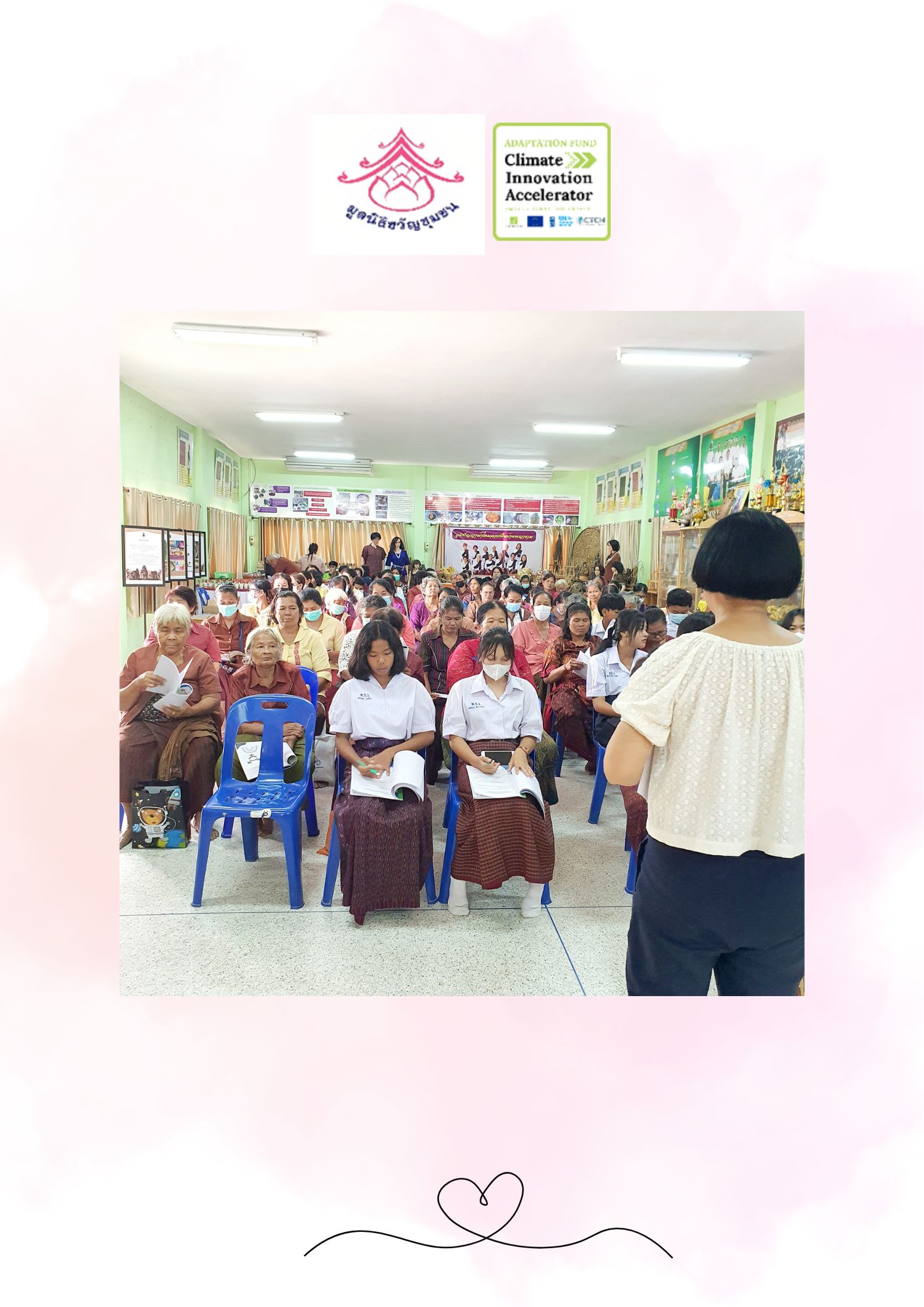
1st Workshop on Gender Lens
Date : 2023-10-03
Venue : OTOP Exhibition and Phyaram Sericulture Learning Centre Piaram, Muang Surin, Surin Province
Agenda
Objectives:
1. To introduce gender inclusiveness for climate change adaptation activities
Target participants: 50 male and 50 female Phearam mulberry farmers and local officers
Gender inclusiveness in climate change adaptation and gender lens
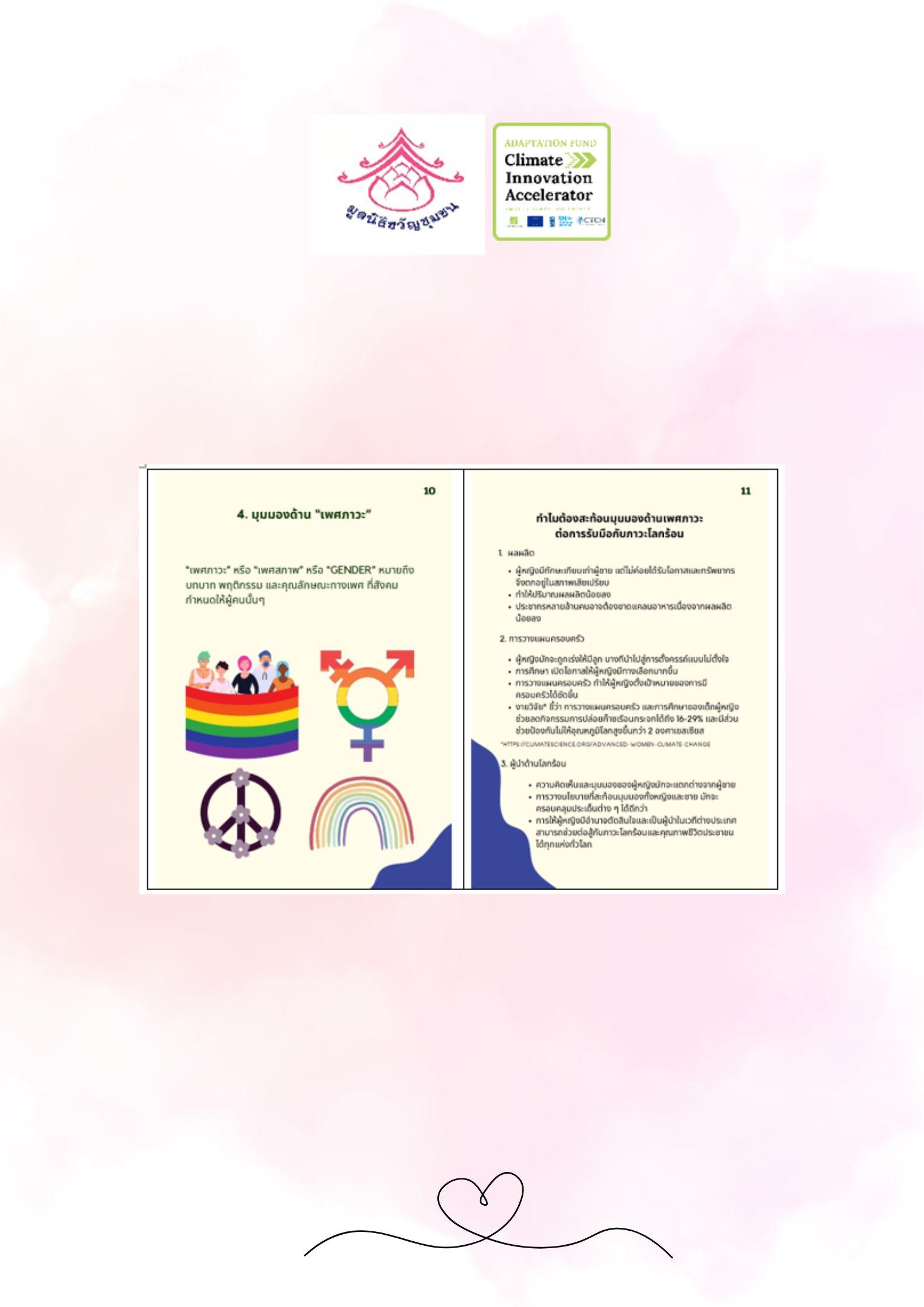
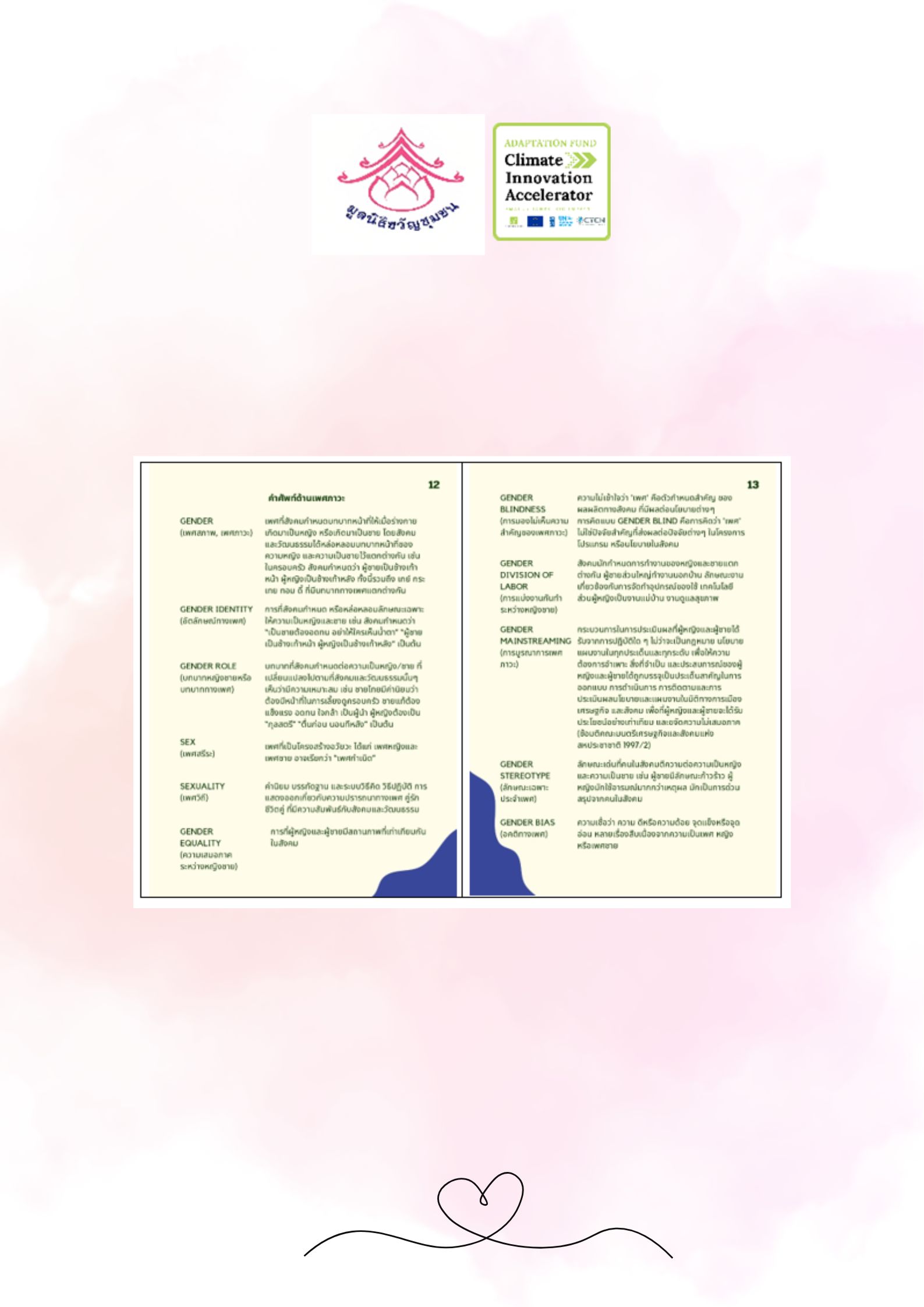
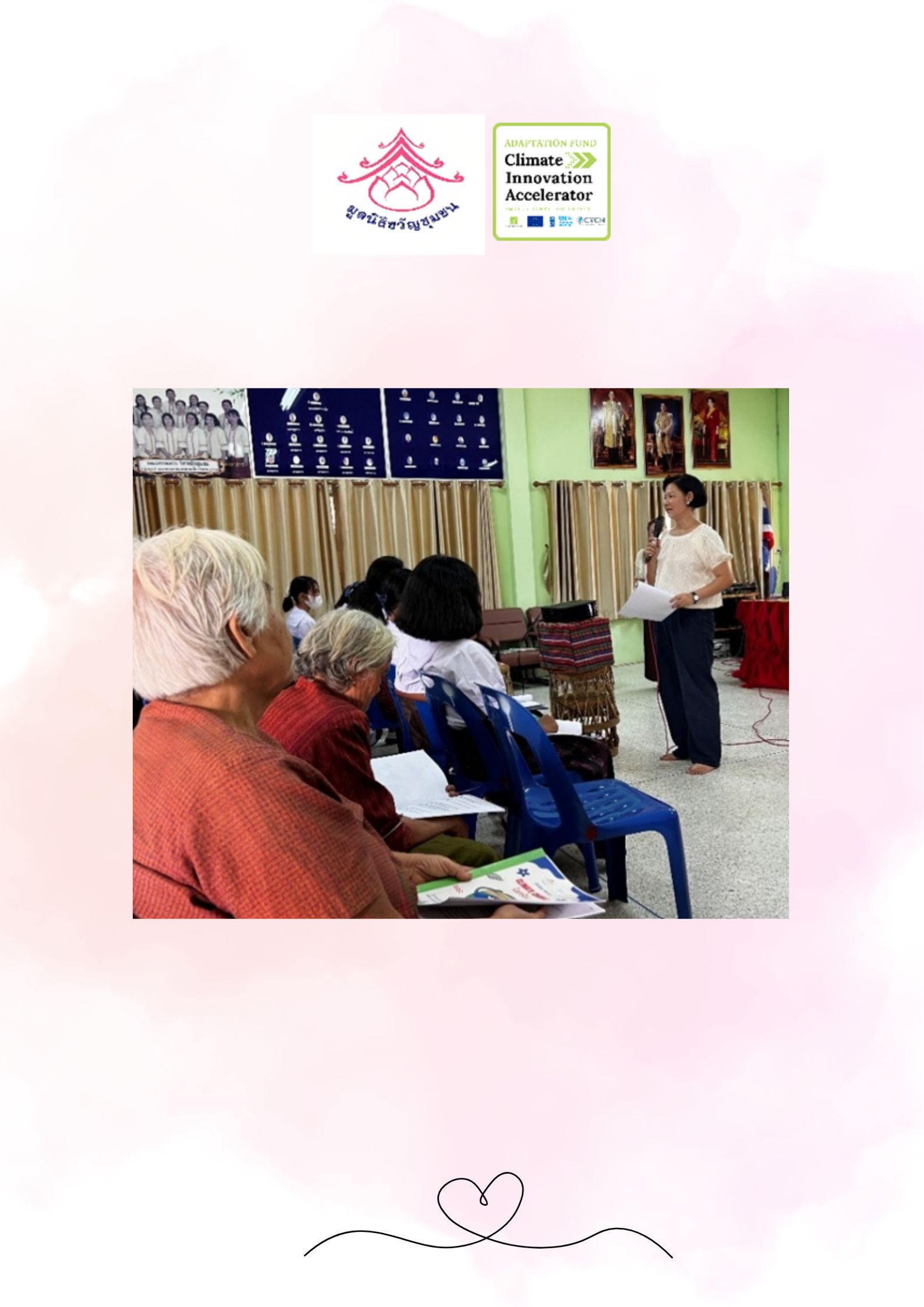
In this session, the 30 participants were introduced to inclusive, gender-responsive climate change adaptation approach. The gender expert explained key technical terms and demonstrated how gender inclusive approach is important in climate actions.
The role of women in Thai society requires an understanding of the social context that is related to belief systems and Thai culture, which affects the power structure between males and females and understanding of gender roles between women and men in social spaces. These are our observation of gender issues in this sericulture community in Phyaram, Surin Province.
· Data and statistics have shown that nearly 100% of women are in sericulture. (Men may also participate somewhat in mulberry cultivation-agriculture in the farms.)
· Growing mulberries and raising sericulture in Phyaram is mainly the work of women. However, most of the women are uneducated, 40-year-old and above, and they are Khmer-ethnics who cannot fully read or write Thai. (As for teenage women and middle and late middle age people, they have other occupations such as working in factories, being hired as farmers, etc. or moving to do labor work in the city.)
· Most weaving women, when they get older, will have hunched backs as they have to bend a lot while working (on the floor or on a small chair), especially when they carry silkworm activities such as collection of silk droppings, etc.
· Currently, sericulture is not the main source of income for women because it is highly priced, difficult to produce, and the production process is complicated (time-consuming), and there is no specific market. Until their unique sericulture can generate as a regular income, the main source of income is therefore agriculture.
· Apart from sericulture activities, women must spend some of their time doing agriculture, raising animals, raising children, doing housework, and caring for the sick and elderly in the home.
· Men play a dominant role in agriculture as it is the main source of income, and men are considered very talented in agriculture, especially machinery, tractors, large agricultural tools (skill work).
· Men have power to make decisions in the family.
· As for the roles of men and women in sericulture, women are more involved in growing mulberry silk than men, including mulberry planting activities and labor exchange. But in agricultural activities such as rice cultivation, women participate less than men.
· Gender mobility and gender role: Women work in growing mulberries and raising sericulture around their homes more than men while the men take care of the animals more outside of the house. Women are less involved in contract work outside the home because they have to stay at home to take care of mulberry plants, silk weaving, and the children and the elderly.
· Men have one main role in the household, that is, farming and raising animals to earn the main income for the household.
· As for women's, there are two roles: working to earn money such as growing mulberry and raising silkworms and doing agricultural work, in addition to having to do housework, take care of the house, cook food, raise children, take care of the sick and elderly. It was found that women do housework at an average of more than 30 hours per week. For men, they tend to the housework averagely 10 hours in a week. In conclusion, women spend three times more working outside and inside the home than men.
· Gender decision making: Women have the power to keep the family's money and they have authority to spend daily on the household expense, but decision-making power and important things. Even the name on land titles deed belong to men, because the weaving women uses Khmer as the main language and they are unable to read and write Thai language.
· Men are able to participate in various activities in the outside world more than women, such as attending conferences, attending training, and study tours. Men have the power to make decisions in various matters related to agriculture, which is the main income of women more than women.
· Arrange marriage: Most married weavers are arranged marriages. Therefore, the drive for gender equality may need to be taken into account, because arranged marriage means that women must be under the authority of men.
· Beliefs and cultures that have been passed down for a long time have made women weavers work as a dedication according to tradition, beliefs about ghosts and angels weaving cloth to offer to the Buddha.
· Illegibility: Women can't write Thai. As a result, women have no ownership rights in land or rice fields.
· Drinking alcohol produced in the community: It's a way of doing things. Both men and women may be affected in their health and physical, mental development.
Recommendations
Until now, women silk weavers face socio-cultural obstacles and limitations. They are designated as recipients of help and have specific duties according to their gender, anatomy, or physical appearance. Over the past several decades, there has been talks about women's power, opportunities, and social status, but not in Phyaram. Important turning points in gender equality here could then be:
1. If the village still grows mulberries and raises sericulture, there should be sufficient support. There is a new generation of young women to continue the cultivation of mulberry and raising silkworms. It would be ideal if they could be making enough income to meet the current economic and climate situation.
2. There should be improvements in the production process regarding health, namely sitting and working on the floor or small chairs for long periods of time (to prevent excessive hunchback) and adequate lighting when weaving.
3. There should be training for both women and men on division of labor work, to fairly divide roles and responsibilities, such as attending meetings, exposing to various knowledge and information. Women can attend meetings or act on behalf of men. They can be given leadership roles in the community and should have more opportunities to go on study trips both inside and outside the country.
4. Women should be more educated on communication skills such as public relations and social media to publicize their daily activities on silkworm cultivation.